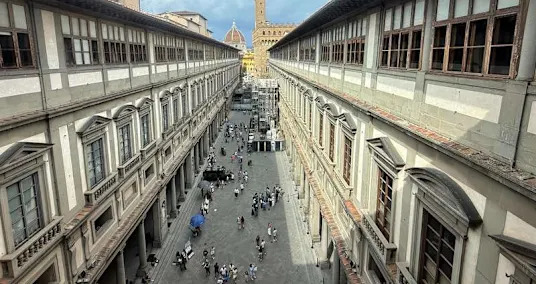
Treasured exhibits have reportedly been moved to safety at Florence's world-famous Uffizi Gallery following a cyberattack earlier this year.
According to a report published on Friday in the Corriere della Sera daily, the unknown perpetrators have already attempted to use the stolen data to extort money from the museum in northern Italy.
The museum – which attracts more than 5 million visitors a year – has sealed some doorways and emergency exits, the newspaper reported.
In many museums around the world, fears of break-ins have been high since the spectacular heist at the Louvre in Paris, where part of the French crown jewels were stolen in October last year.
Investigative circles suggest hackers have repeatedly managed to breach the Uffizi’s internal database since February.
In the process, they gained access not only to passwords and login details for the photo archive but also to detailed floor plans and the locations of surveillance cameras.
The Corriere della Sera report said valuable items from the treasury of the Grand Dukes of Tuscany have been moved from the Uffizi to a vault in the Banca d'Italia.
latest_posts
- 1
 Doggie diversity in size and shape began at least 11,000 years ago
 - 2Hamas urges Hezbollah to kidnap Israeli soldiers in wake of Knesset passing death penalty bill
- 3Photos: Presidential turkey pardons — a look back
- 4Change Your Skincare: 10 Inventive Magnificence Gadgets
- 5RFK Jr.'s vaccine panel delays hepatitis B shot vote after chaotic meeting




- Iran-backed militias reassert power in Iraq, proving the Islamic axis is still standing
- 5 Destinations Where Airfare Is Dropping The Most For Spring 2026, Per Dollar Flight Club Analysis
- Holiday spots Well known With Americans In 2024
- Inside The Design-Forward Wellness Hotel Marking A New Chapter In Medellín
- What to know about cheese voluntarily recalled in 20 states
- Infants will no longer receive hepatitis B vaccine at birth, CDC announces
- New dietary guidelines recommend more dairy, meat and fats: What to know
- Israel reports killing another senior Iranian oil official
- ‘The White Lotus’ sparked online interest in risky anxiety pills, study says